
When you are considering a move to Australia, it is natural to think first about Sydney, Melbourne or Brisbane. Those cities may be the right fit for some people, but they are not the only option. For many skilled workers and families, regional Australia may offer a practical combination of employment opportunity, community connection, lifestyle and migration planning advantages.
Jump to a topic
Why regional areas can matter for your visa
Australia needs skilled workers in many places outside Sydney, Melbourne and Brisbane. Because of this, some visa options give extra weight to regional locations called Designated Regional Areas.
This does not mean regional Australia is a shortcut to a visa or permanent residence. You still need to meet the rules for your occupation, skills, English, age, work experience and the visa you are applying for. But if you are open to living and working outside the largest cities, you may have more options to consider.
For visa purposes, “regional” does not always mean remote. Some larger cities and regional centres are treated as regional under Australia’s migration system. The important point is not whether a place feels regional, but whether its postcode is included in the official regional list for the visa you are considering.
What this can mean in practice
Depending on the visa, choosing a regional location may affect things like:
- whether a state or territory can nominate you
- whether an employer in that area can sponsor your role
- whether your occupation appears on a relevant regional list
- eligibility for points linked to regional study or nomination
- potential pathways to permanent residence after meeting regional visa requirements
The rules are different for each visa, so regional location should be treated as one planning factor, not a guarantee. Before you choose where to study, work or settle, check the official postcode list and the requirements for your visa option.
One regional pathway people often hear about is DAMA. This is especially common where employers in regional areas are trying to fill roles that are hard to recruit for locally. However, DAMA is often misunderstood. It is not a separate visa that you can apply for directly.
DAMA is not a visa
What is DAMA?
A Designated Area Migration Agreement, commonly called a DAMA, is an agreement framework between the Australian Government and a state or territory government or regional authority. It allows approved employers in a designated region to request access to specified occupations and agreed concessions that may not be available under standard skilled visa arrangements.
You cannot apply for a DAMA directly. A DAMA can only be used where an eligible employer in the relevant designated region is approved to sponsor the role, and the role is covered by that DAMA’s settings. Employers must also meet endorsement and labour agreement requirements before a visa nomination can proceed.
DAMA arrangements can be useful in some regional labour markets because they may include a broader range of occupations and, in some cases, negotiated concessions relating to matters such as age, English, salary or skills. The availability of any concession depends on the specific DAMA, the occupation, the employer and the visa requirements.
There are currently 13 active DAMAs across Australia. You can view the full list of active DAMAs and their designated area representatives on the Department of Home Affairs website.
Some of the more active DAMA regions include:
- Northern Territory DAMA — a wide range of occupations with structured allocation levels through to 2030
- Western Australia DAMA — covers all of WA including metropolitan Perth
- Far North Queensland DAMA — administered by the Cairns Chamber of Commerce
- Goulburn Valley DAMA (VIC) — regional Victoria’s agribusiness and food manufacturing hub
- Orana DAMA (NSW) — central western NSW
"Regional" Doesn't Mean Remote
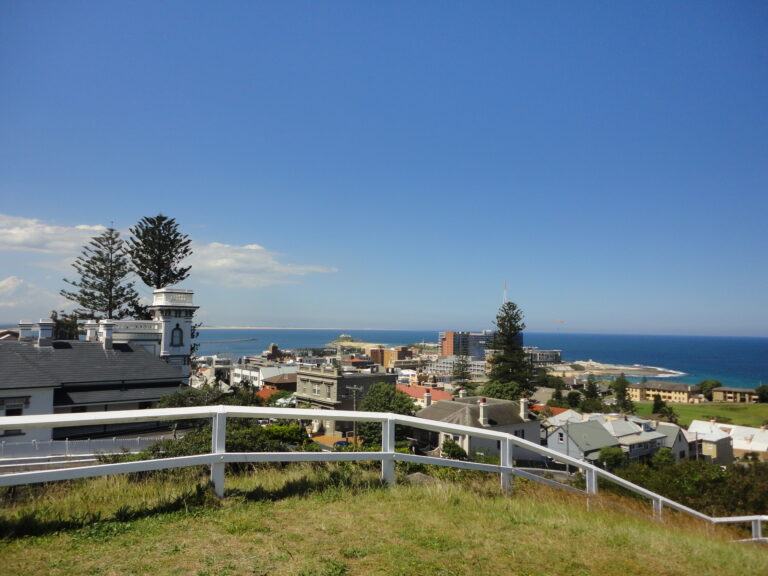
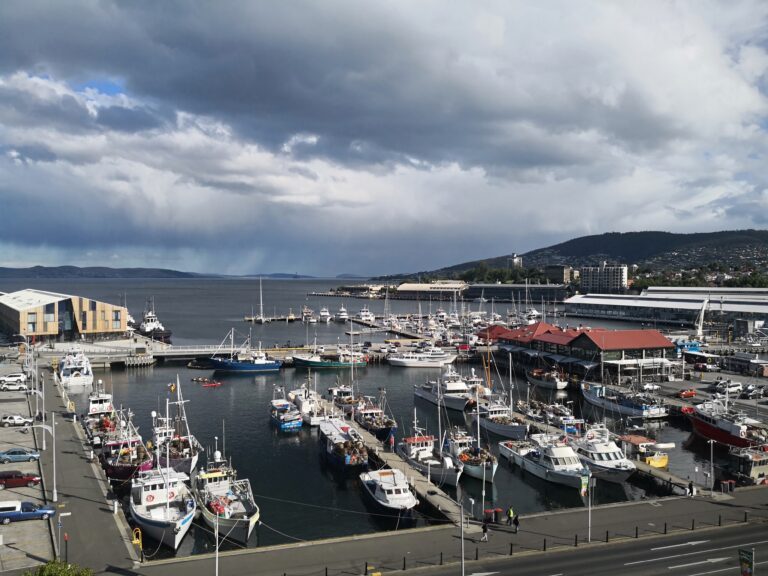
One of the common misconceptions about regional migration is that it always means moving to a remote area with limited services. That is not correct. For migration purposes, designated regional areas can include the smaller capital cities, major regional centres, university locations, health service hubs, coastal towns, agricultural regions and growing outer centres.
Some regional cities have airports, universities, hospitals, public transport, established employers and diverse communities. Others may be smaller and more locally connected, with fewer services but stronger demand in particular industries. The practical experience of living regionally will vary significantly by location.
Before choosing a regional location, check the official postcode classification, the relevant visa requirements, employment prospects, housing availability, schooling, healthcare, transport and support networks. The right regional location is not just the one that appears on a visa list. It also needs to be practical for you and your family.

Lifestyle advantages and practical trade-offs
Regional Australia can offer a different pace of life. Some people value shorter commutes, easier access to outdoor spaces, smaller communities and a stronger sense of local connection. For families, regional areas may offer more space, community sport, local schools and a more visible connection between work, school and community life.
There can also be trade-offs. Housing may be more affordable in some locations, but availability can be limited. Some groceries, fuel, freighted goods or specialist services may cost more. Public transport may be less frequent, and a car may be essential. Healthcare, childcare, specialist appointments or schooling options may also vary by town or region.
The best approach is to compare the full household picture, not only rent or headline salary. Consider income, housing, transport, schooling, childcare, healthcare, community support, employment security and the cost of travelling to larger centres when needed.
Employment and skills demand
Regional labour needs differ by location. Some regions may have demand linked to health services, aged care, education, trades, engineering, construction, agriculture, food production, hospitality, tourism, mining, manufacturing or local government services. The relevant demand depends on the region, your occupation and the employer market.
Jobs and Skills Australia publishes occupation shortage data, including information by state and territory. This can be useful when researching labour market trends, but this information should not be treated as a guarantee of employment or visa eligibility. You should still check occupation lists, skills assessment rules, registration requirements, employer demand and state or territory nomination settings where relevant.
For regulated occupations, such as many healthcare, education, trade and engineering roles, employment planning should also include registration, licensing, skills assessment and any local experience or supervision requirements that may apply.
You can explore current occupation demand using the Jobs and Skills Australia’s occupation shortage list.
Frequently Asked Questions
Some regional provisional visas can provide a pathway to permanent residence if you later meet the relevant requirements. This is not automatic. You must hold an eligible visa, comply with visa conditions and satisfy the requirements for the permanent visa at the time you apply.
No. DAMA is an agreement framework. It allows approved employers in a designated region to access specified occupations and concessions under a labour agreement. You still need an eligible employer, a nominated role and a visa pathway that fits the relevant DAMA settings.
Not necessarily. For migration purposes, designated regional areas include some large cities and major regional centres as well as smaller towns and remote areas. Check the official postcode list before making assumptions about a location.
This depends on the visa subclass, your family composition and the eligibility rules. Many skilled visa pathways allow eligible family members to be included, but the requirements should be checked for the specific visa.
The answer depends on the visa. Some regional provisional visa holders must live, work or study in a designated regional area and may need to show regional residence or work history before applying for a later permanent visa. Always check the conditions attached to the specific visa.
The impact depends on the visa subclass, conditions, sponsorship arrangements and timing. Some employer-sponsored visas have specific requirements if employment ceases. If this happens, seek advice quickly before making decisions about moving, changing employers or leaving a regional area.
It may, depending on the visa and your circumstances. Some points-tested pathways include points for regional nomination, sponsorship or study in regional Australia. You must meet the relevant requirements at the time points are claimed.
This depends on the visa conditions and the stage of the migration pathway. Some regional visa holders must continue to live, work or study in a designated regional area. Moving to Sydney, Melbourne or Brisbane too early may affect compliance or future eligibility.
Occupation eligibility depends on the visa subclass, occupation list, state or territory nomination settings, employer sponsorship requirements and any skills assessment or registration rules. Demand in a region does not automatically mean the occupation is eligible for a visa. The individual DAMA sites will usually indicate what occupations are eligible and the skilled occupations shortage list is another useful resource to check
Making an informed regional decision
Choosing a regional pathway requires more than choosing a place on a map. The key questions are whether the visa option fits your occupation and circumstances, whether the location is practical for work and family life, and whether the regional requirements align with your long-term plans.
Before committing to a location, check the relevant visa requirements, official postcode classification, employment prospects, housing availability, schooling, healthcare, transport and cost-of-living factors. Practical relocation matters should be checked using current official and local sources before you make a final decision. If you have questions or concerns about how the migration requirements apply to your circumstances, consulting a qualified migration professional may be an appropriate next step.
get the help you need
Submit your details and upload any relevant documents. We will contact you to discuss your options and next steps.
contact us Directly
Australia
-
Melbourne (Head Office)
Collins Square
Level 23, Tower 5, 727 Collins St
Docklands VIC 3008 -
Sunshine
Level 5, 12 Clarke St
Sunshine VIC 3020 - +61 1300 779 462
South Africa
-
Willowbridge Village
39 Carl Cronje Dr
Bellville, Cape Town 7530 - +27 21 110 5412
Disclaimer: The information provided on this page is general in nature and does not consider your individual situation. Visa eligibility, skills assessment requirements, professional registration requirements and outcomes can vary depending on your specific circumstances.
This content should not be relied upon as migration, skills assessment or professional registration advice. For advice tailored to your situation, you can book a consultation with our team.