
Moving to Australia is not only about visas, flights and paperwork. It is also about learning how daily life works: how people communicate, how schools operate, how work expectations are expressed, how communities connect and how ordinary routines are organised.
Australia is multicultural, but it is not uniform. A suburb in Melbourne or Sydney may have restaurants, shops, schools, places of worship and community groups connected to many different backgrounds. A smaller town may still be welcoming, but relationships may be more local and take longer to build.
For new arrivals, that can be both reassuring and surprising. You may find familiar food, languages and communities, while still needing to adjust to Australian systems, school routines, workplace expectations, local slang and the way people organise their private time.
This guide focuses on the practical details that can make daily life easier to understand before you move.
Jump to a topic
Explore our learning library


Understanding daily life in Australia
Daily life in Australia is shaped by where you live. Some households are built around train timetables, school drop-offs and walking to the local shops. Others rely on a car for almost everything, especially in outer suburbs, regional centres or areas with limited public transport.
The first few weeks are usually about working out how ordinary systems operate. That may mean opening a bank account, getting a mobile phone plan, finding a GP, understanding bins and recycling, learning the school app, applying for a tax file number, using public transport cards or working out which supermarket is most convenient.


Settlement is not a single moment. It is usually a series of small adjustments: learning when shops close, how school lunches work, when to book medical appointments, how to register for local activities and what people mean when they say, “bring a plate”.
Over time, the rhythm becomes easier to read. School terms, public holidays, weekend sport, council services, local events and work routines often shape family life more than formal social structures.
Australian culture and communication
Multiculturalism is an important part of modern Australian life. Australia has been shaped by First Nations peoples, British institutions and successive generations of migrants. In many communities, it is normal to meet people with different accents, religions, qualifications, family structures and cultural traditions.
This is one of Australia’s strengths, but it does not mean every community feels the same. In some areas, multicultural life is visible in the shops, schools, restaurants and festivals around you. In others, diversity may be present but less visible, and social connections may rely more on local clubs, schools, workplaces and neighbours.
Australian communication is often informal, direct and practical. People may use first names at work, ask questions openly and speak plainly. This can feel relaxed, but it does not mean expectations are loose.
In many settings, respect is shown by being reliable, listening properly, being fair, following through and treating people consistently regardless of title or seniority. A person may sound casual and still expect the job to be done properly.
Humour, understatement and casual language are common. New arrivals do not need to copy every expression, but it helps to understand that Australians may say serious things in a relaxed way, or use humour to soften direct feedback.
The important adjustment is learning the difference between casual tone and casual commitment. A workplace conversation may sound informal, but safety rules, deadlines, client expectations and professional standards still matter.

Top 5 everyday do’s and don’ts
Some of the most useful cultural lessons are small, practical ones. These are not formal rules, but they can help new arrivals understand common expectations in social and workplace settings.
Do | Don’t | Why it matters |
Let people know before you visit. | Do not just arrive at someone’s home without warning. | Australians may be friendly and informal, but personal time and privacy are generally respected. A quick message before visiting is usually expected. |
Bring something to a barbecue, even if the host says not to worry. | Do not arrive empty-handed unless you know the host well and the arrangement is clear. | Bringing a salad, snacks, dessert or something small to share is a common courtesy. If drinks are involved, it is also common to bring your own drinks. |
At work, raise problems early and bring possible solutions. | Do not wait silently until a problem becomes urgent. | Many Australian workplaces value practical problem-solving. It is usually better to say, “This issue has come up, and here are two possible options,” than to simply report that something is wrong. |
Speak up if you are unsure. | Do not pretend to understand instructions, safety requirements or workplace processes if you are unclear. | Asking questions is usually seen as responsible, especially where safety, compliance, clients or deadlines are involved. |
Be reliable with time, plans and tasks | Do not treat casual language as casual commitment. | Australian communication may sound relaxed, but people still expect punctuality, follow-through and clear communication if plans change. |
Common workplace phrases and small-talk moments
Australian workplaces often use small talk to build rapport. Some phrases are common across the country, while others depend on the state, the sport people follow or the community they grew up in. You do not need to understand every expression immediately, but it helps to know that these conversations are often friendly ways of including people.
Phrase or question | Where you may hear it | What it usually means |
“Who do you follow?” | Common in Victoria, and familiar in other Australian rules football states such as South Australia, Western Australia and Tasmania. | This usually means, “Which AFL team do you support?” If you do not have a team, someone may try to recruit you into theirs. It is often friendly small talk rather than serious sport analysis. |
“Are you watching the Origin?” | Common in New South Wales and Queensland. | This refers to State of Origin rugby league. It is one of the major winter sporting conversations in those states. |
“How’d you go?” | Common across Australia. | This usually means, “How did it go?” or “How did you manage?” It may be asked after a meeting, client call, appointment, school event or weekend activity. |
“No worries” | Common across Australia. | This can mean “that’s okay”, “you’re welcome”, “I can do that” or “there is no problem”. Context matters. If something is important, confirm the detail rather than assuming it is settled. |
“Bring a plate” | Common across Australia. | This means bring a dish of food to share. It does not mean bring an empty plate. For barbecues, it is also common to bring your own drinks unless the host clearly says otherwise. |
Australian slang and small talk can be highly local. Some expressions are common across the country, while others are linked to particular states, towns, families or generations. If someone uses a phrase you have not heard before, it is usually fine to ask what they mean. Most people will explain it, and often enjoy doing so.

Workplace culture and expectations
Australian workplaces often expect people to participate, not just receive instructions. If something is unclear, it is usually better to ask early. If a problem appears, raise it before it becomes urgent and, where possible, suggest practical options.
This does not mean every workplace is the same. Expectations vary by industry, employer and role. However, many Australian workplaces value clear communication, teamwork, safety awareness, reliability and practical problem-solving.
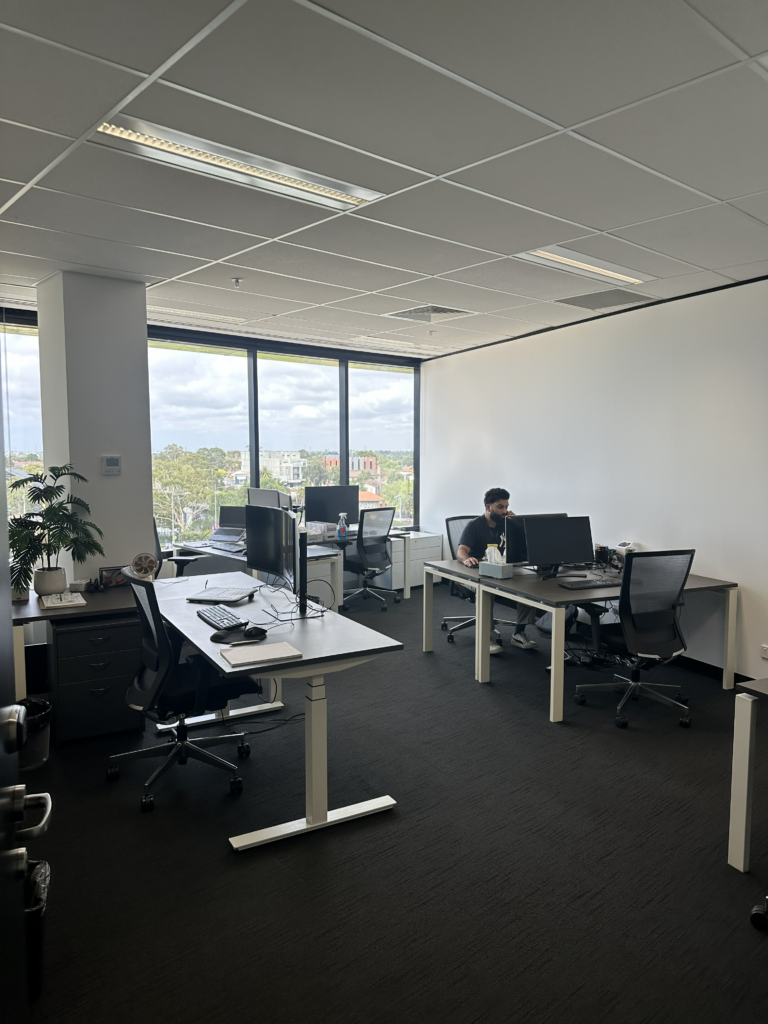
Workplaces may feel less formal than some new arrivals expect. Managers may be addressed by first name, meetings may invite input from junior staff and employees may be expected to speak up. At the same time, contracts, rosters, workplace policies, awards, safety obligations and professional standards should be taken seriously.
Another common adjustment is the balance between independence and communication. Employees may be expected to manage their own tasks, check what is required, and keep others updated without waiting to be asked. A short update, a clear question or an early warning about a delay is usually better than staying quiet and hoping the issue resolves itself.
Families & Schools
For families, settling in often starts with practical routines: school drop-off, lunch boxes, uniforms, after-school care, weekend sport, library visits, local parks, council services and finding other parents who understand how the area works.
Schooling is managed at state and territory level, so enrolment processes, school zones and term dates can differ between locations. Before choosing where to live, families should understand which schools are nearby, how enrolment works and how children will get to and from school each day.
There are also small day-to-day school routines that may be unfamiliar to new arrivals. In many primary schools, children are expected to wear a school hat when they are outside during warmer months or when UV levels are high. Some schools use a simple rule often described as “no hat, no play”, meaning children without a hat may need to stay in shaded areas during recess or lunch.
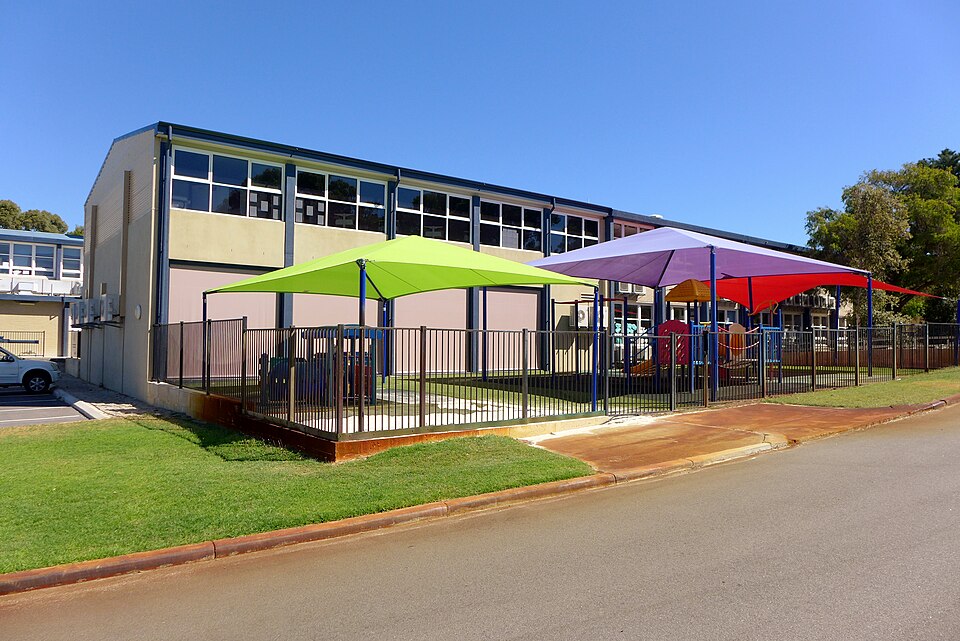
School lunches may also work differently from what some families expect. Most children bring food from home in a lunch box, usually with separate snacks for morning recess and lunch. Australia generally does not have a large cafeteria-style lunchroom system in the way some countries do.
Many schools have a canteen or tuckshop where children can buy food on certain days. Depending on the school, this may include items such as sandwiches, rolls, wraps, pies, sausage rolls, snacks, drinks or healthier lunch options. Some canteens operate every day, while others may only open on selected days or rely on parent volunteers.
Parents may also need to become familiar with school apps, newsletters, permission forms, casual clothes days, sports days, book week, lunch orders and parent-teacher meetings. These details can seem minor, but they are often part of how families settle into the rhythm of Australian school life.
Community
Community connections often form through ordinary activities rather than formal introductions. School events, weekend sport, local libraries, cultural groups, faith communities, parent networks and professional associations can all help new arrivals build relationships.
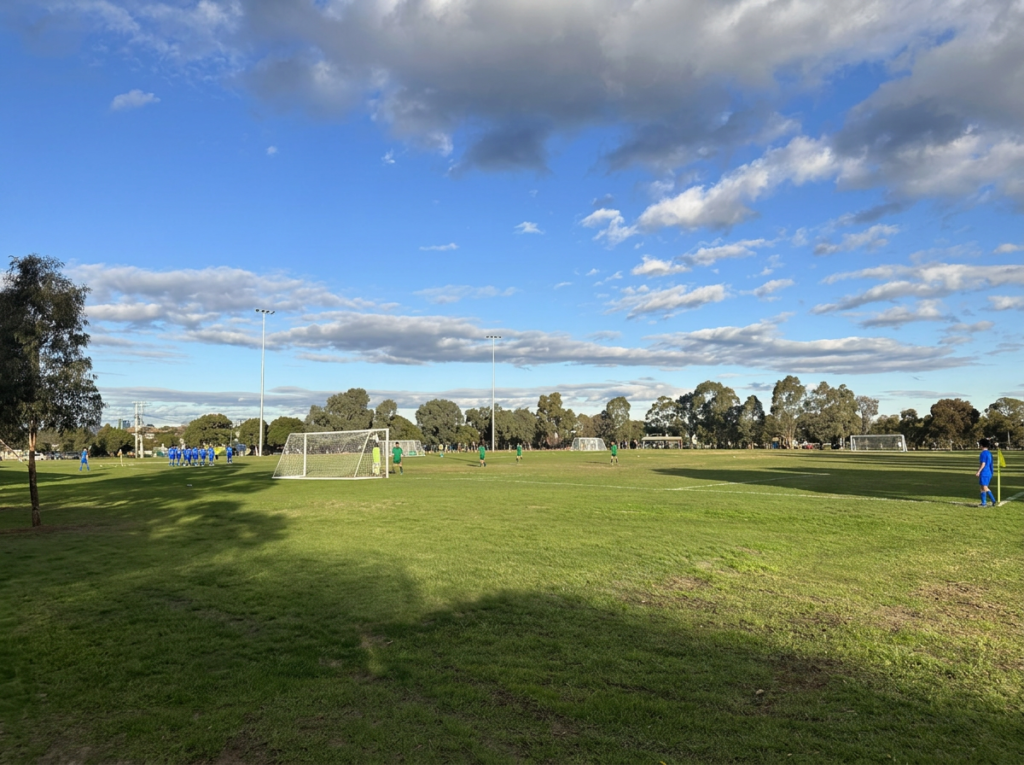
Sport is often part of how communities connect. In Victoria, South Australia, Western Australia and Tasmania, Australian rules football is a major part of local culture, and many people refer to it simply as footy. In New South Wales and Queensland, rugby league has a very strong following, especially around club competitions and State of Origin. Soccer, cricket, netball, basketball, tennis, swimming and local junior sport are also common ways for children and adults to meet people.
This does not mean you need to follow sport to settle in Australia. It simply means sport can be a useful social entry point. A local football club, cricket team, netball association, swimming program or school sports group may help families understand the community and build connections outside work.
healthcare and medical care
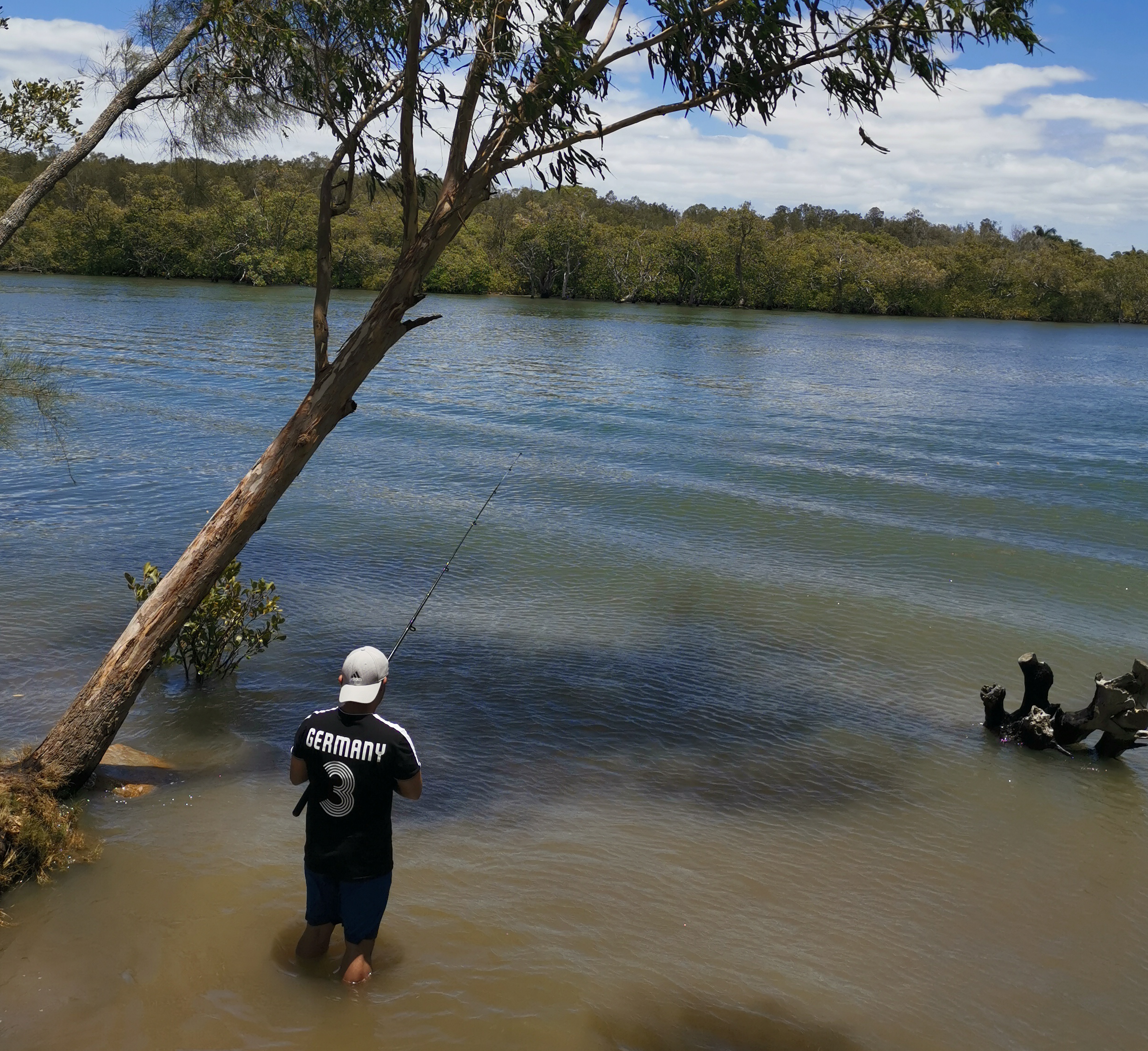
One practical difference for new arrivals is that you may need to book appointments rather than expect to be seen immediately. Some clinics offer same-day appointments, while others may book out several days in advance. If you arrive without an appointment, the clinic may not be able to see you or you may need to wait a long time.
Costs can also vary between clinics. If a clinic bulk bills, eligible Medicare patients do not pay out of pocket for the appointment because the clinic accepts the Medicare benefit as full payment. Other clinics may charge a private fee, with part of the cost claimed back through Medicare if the patient is eligible. The difference is often called a gap fee or out-of-pocket cost.
It is worth finding a local GP early, before there is an urgent need. When choosing a clinic, consider whether it is taking new patients, how appointments are booked, whether telehealth is available, what fees apply, whether children are treated, and how repeat prescriptions or test results are managed.
For urgent but non-life-threatening concerns, some areas have urgent care clinics, after-hours GP services or health advice lines. For life-threatening emergencies, Australia uses Triple Zero, written as 000, for ambulance, police and fire services.
How to book a GP


Transport and getting around
Transport is one of the biggest practical differences between locations. Some people can use trains, trams, buses or ferries for most daily travel. Others need a car for work, school drop-offs, shopping, sport and medical appointments.
When choosing where to live, look at the actual routine, not just the distance on a map. A suburb may look close to work, but the commute may depend on traffic, parking, train lines, bus frequency or whether school drop-off adds time each morning.
If you plan to drive, check the state or territory rules for using an overseas licence, transferring to an Australian licence, vehicle registration and insurance. These rules can differ, and they can affect how quickly a household becomes mobile.
Check your transport authority
Weather, distance and lifestyle differences
Australia’s climate and geography vary widely. A family moving to Melbourne will plan for different weather, housing and clothing than a family moving to Brisbane, Perth or Darwin.
The Bureau of Meteorology, commonly called the BOM, is Australia’s official weather source. It provides local forecasts, radar, severe weather warnings, heatwave information and other weather updates that can be useful when planning travel, school routines, outdoor activities or emergency preparation.

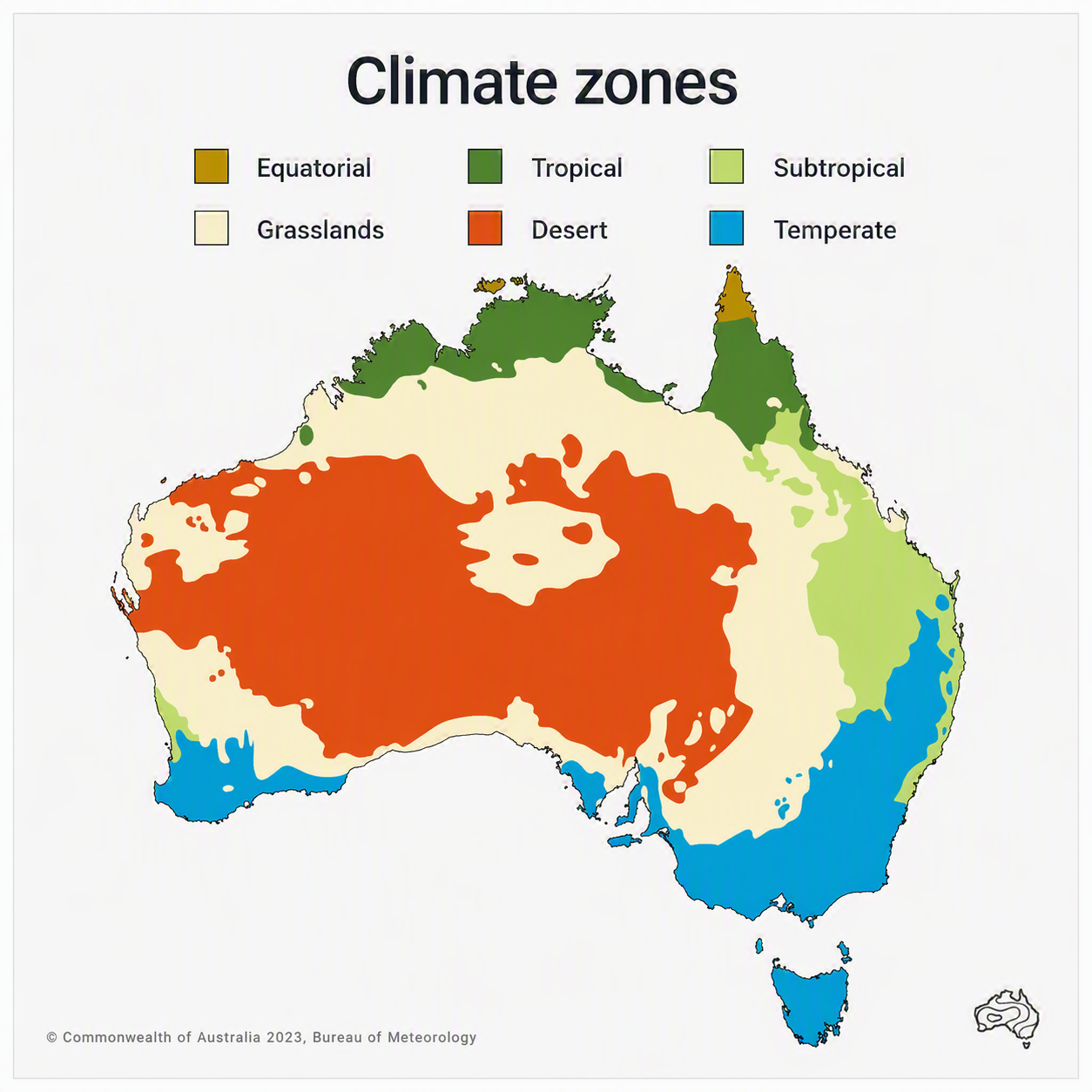
Distance is another practical factor. A location may appear close on a map but involve long travel times, limited transport options or different access to services. This can affect work, school, healthcare, social activities and family support. A 30-minute trip in one city may feel very different from a 30-minute trip in another, depending on traffic, public transport and where people actually live.
The idea of an “Australian lifestyle” can be misleading if it is too general. Outdoor living, beaches and sport may be part of life for some people, but work hours, school routines, rent, transport, climate and family responsibilities still shape the week.
The meaning of lifestyle also changes by place. In Melbourne, winter may mean coats, coffee, trams and AFL conversations. In Brisbane, warm weather and rugby league may be more visible. In Adelaide, Hobart, Perth, Darwin or Canberra, the pace, climate, distances and local identity can feel different again. Australia is one country, but it is not one single lifestyle.
Settling in takes planning
Settling into Australia usually becomes easier when people treat it as a practical learning process. Even confident migrants may need time to understand new systems, different communication styles, unfamiliar services and changes in family routines.
Before arrival, it can help to think through the first week, first month and first few months. Where will you stay? How will you travel? Which school or childcare steps need to happen early? How will you access healthcare? What documents will employers, schools or government agencies ask for?
Personal adjustment matters too. Moving countries can affect work, family life, finances, confidence and support networks. It is normal for the first stage to feel busy and unfamiliar.
The most useful approach is to be curious and practical. Ask colleagues how things usually work, use reliable government sources, learn the local school and health systems, and pay attention to the small details that locals may take for granted.
Related guide: Lifestyle, Costs and Budgeting
Understanding life in Australia is an important part of preparing to move, but it should be considered alongside practical budgeting. Housing, transport, healthcare, schooling, childcare and visa status can all affect the real cost of settling in Australia.
For a more detailed planning guide, see the Lifestyle, Costs and Budgeting section of Be Ready Australia.
get the help you need
Submit your details and upload any relevant documents. We will contact you to discuss your options and next steps.
contact us Directly
Australia
-
Melbourne (Head Office)
Collins Square
Level 23, Tower 5, 727 Collins St
Docklands VIC 3008 -
Sunshine
Level 5, 12 Clarke St
Sunshine VIC 3020 - +61 1300 779 462
South Africa
-
Willowbridge Village
39 Carl Cronje Dr
Bellville, Cape Town 7530 - +27 21 110 5412
Disclaimer: The information provided on this page is general in nature and does not consider your individual situation. Visa eligibility, skills assessment requirements, professional registration requirements and outcomes can vary depending on your specific circumstances.
This content should not be relied upon as migration, skills assessment or professional registration advice. For advice tailored to your situation, you can book a consultation with our team.